"How I Got Played at a Corporate Dinner Party"

Updated: Dec 30, 2025

I find myself all dressed up in a tuxedo at a New Year’s Eve corporate function, seated at a table with the VP (aka Rosé Queen), several of her contemporaries, and their dates. Before I knew it, I had become the center of attention because of one comment. The Rosé Queen taking charge of the wine selection, confidently asks the waiter for their best bottle of Rosé to pair with the evening’s braised lamb shank.
Without thinking, I—your resident wine sommelier—blurted out, “No, VP, you don’t pair braised lamb shank with a Rosé.”
At that moment, I realized my mouth had betrayed me. A double agent. The table falls silent. I suddenly envision my future in a lonely cubicle in the farthest corner of the warehouse—where forgotten employees go to disappear.
Then, the Rosé Queen laughs.
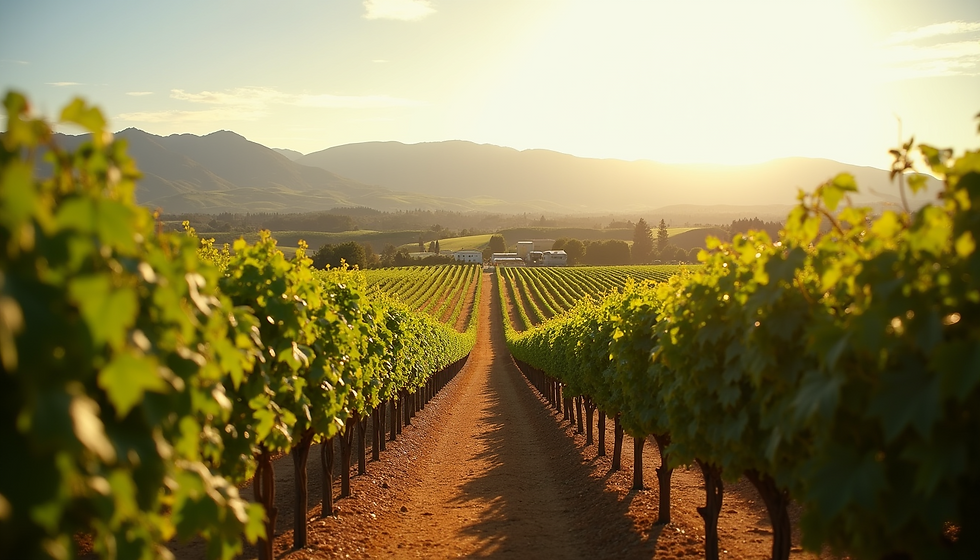
Relieved, I calmly directed the waiter to bring several bottles of Justin Winery’s Tempranillo Reserve. A ripple of intrigue spreads across the table. I explain, “The Tempranillo Reserve is a Spanish varietal, but this one’s grown in one of my favorite regions—Paso Robles. Comparable to Rioja’s Tempranillo, but with a California attitude. It grows in paradise.”
Everyone seems captivated, hanging onto every word. I had them in the palm of my paw.
Except the Rosé Queen. Her expression remained unreadable. Was she impressed or annoyed? The tension breaks when one of the other male VPs chimes in, “I prefer Rosé,” locking eyes with the Rosé Queen as he speaks. She glances back at him and then defers to me.
Suddenly, it all clicks. I wasn’t invited to this dinner because I’m a suave, wine-savvy, red-blooded Maine Coon American. No, I was a chess piece—strategically placed in a jealousy game. She was on the hunt, but not for me. She had a target, and I was a stylish decoy. While I was playing checkers, she was playing 3D chess.
Back to the wine. As the bottles arrive, I say to the server, “I hate to sound foo-foo, but could you bring us two decanters?” The waiter pauses, then nods approvingly. “Oh, you know your wine. I’ll decant these for you, sir.”
Of course, I’m once again the center of attention. I ask the group to, “Take a sniff—note the black cherry, leather, and cocoa with a hint of sweet tobacco. Now sip—taste the dark fruit, savory spice, and clove. That’s what makes it a perfect pairing with lamb shank.”
But no one hears me.
The table has descended into silent political warfare between the Rosé Queen, her target, and his increasingly confused date. I retreat into my Tempranillo like a seasoned professional.
That’s when I ask the waiter what Champagne they're pouring.
“Dom Pérignon,” he says.
I smile to myself.
“Use me, baby. Any way you want.”
Understanding Wine Pairing Basics through the eyes of a Maine-Coon
Wine pairing is more than tradition; it enhances the dining experience by complementing flavors. Knowing the basics helps you make confident recommendations and avoid awkward moments like the Rosé Queen had.
Match intensity: Light dishes pair with lighter wines; rich dishes need fuller-bodied wines.
Consider flavors: Acidic wines balance fatty foods; sweet wines can offset spicy dishes.
Think about texture: Tannic wines work well with protein-rich foods like lamb or beef.
In the case of braised lamb shank, a rich, savory dish, a robust red wine like Tempranillo is a natural fit. Rosé, often lighter and fruitier, usually pairs better with lighter fare such as salads, seafood, or poultry.
Reading the Room: Wine and Social Dynamics
Corporate events often come with unspoken rules and power plays. Wine choices can become symbolic, reflecting status, preferences, or even subtle challenges.
Know your audience: Understand the personalities and preferences at the table.
Be tactful: Correcting a senior executive’s choice requires diplomacy. You don't want to end up supervising in a dusty warehouse.
Use wine knowledge strategically: Share interesting facts to engage and impress without overshadowing others.
At the gala, my blunt correction risked alienating the VP. Yet, by quickly shifting to a compelling story about the Tempranillo Reserve, I regained control of the conversation and sparked intrigue.
The Role of Confidence and Humor
Confidence in your wine knowledge can turn a potentially tense moment into a memorable one. Humor helps lighten the mood and build rapport.
Stay calm: Even if you slip up, recover smoothly like a nice Pinot Noir.
Use humor: A well-timed joke or light comment can ease tension. Talk about the Wildebeest and how he cruses the office savanna.
Engage others: Invite opinions and preferences to create a shared experience.
When the VP laughed after my comment, it signaled acceptance. My calm direction to order the Tempranillo Reserve and request decanters showed confidence and a touch of sophistication, winning the table’s attention.

Handling Corporate Jealousy and Social Games
Corporate gatherings often involve subtle social maneuvering. Understanding these dynamics helps you navigate without becoming a pawn.
Recognize the game: Identify when you are part of a social strategy or the bait.
Stay professional: Keep interactions polite and focused on the event. If all else fails, take a sip of your wine and watch the interactions through the glass.
Avoid taking sides: Maintain neutrality to protect relationships.
The Rosé Queen’s unreadable expression and the other VP’s comment revealed a layered social game. By staying composed and focusing on the wine, I avoided getting caught in the tension.
Practical Tips for Wine Etiquette at Formal Events
To make a positive impression and enjoy the experience, keep these tips in mind:
Research the menu: Know the dishes and suitable wine pairings beforehand.
Ask questions: If unsure, politely inquire about preferences.
Offer options: Suggest alternatives without dismissing others’ choices.
Mind your tone: Speak confidently but respectfully.
Use proper serving techniques: Decant wines when appropriate, serve at the right temperature.
Requesting two decanters at the gala was a subtle signal of sophistication and care for the wine’s presentation, which impressed the waiter and guests alike.
Building Your Wine Knowledge for Social Success
Expanding your wine knowledge benefits both personal enjoyment and social interactions.
Taste widely: Try wines from different regions and varietals.
Learn stories: Understand the history and characteristics behind wines.
Practice pairing: Experiment with food and wine combinations.
Stay updated: Follow trends and new releases in the wine world.
The Tempranillo Reserve from Paso Robles was a perfect example of a wine with a story—Spanish roots with a California twist—that captivated the table.


Comments